
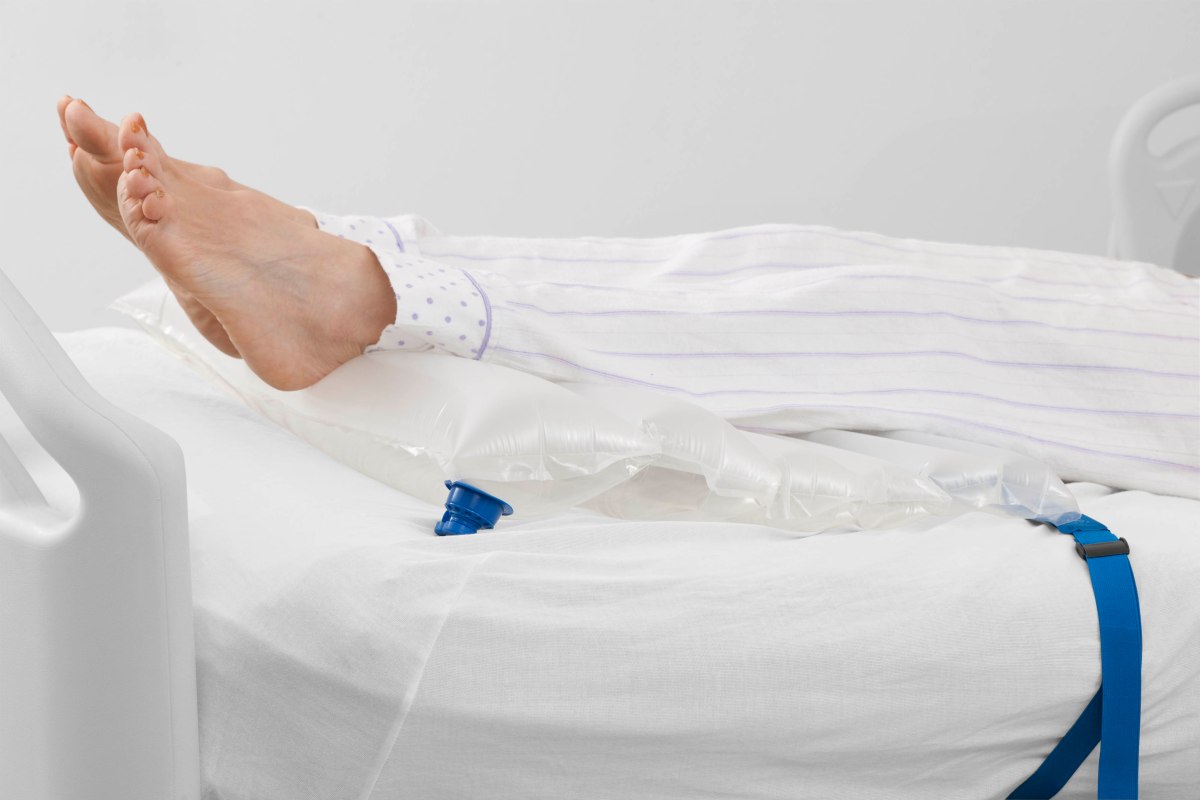
Pressure ulcers, also known as bedsores, are localized skin and/or underlying tissue damage that generally happens in conjunction with shear or friction over a bony prominence as a result of long-term pressure.(En.wikipedia.org, 2019) A sore skin area that develops when the blood supply to it is cut off due to pressure on it and lack of movement for more than two to three hours. As the skin dies, the sore pressure appears first as a painful red region that turns purple in time. The skin may break open and become infected untreated. A sore pressure can deepen (ulcerate) and spread to the underlying muscle. It is often very slow to cure once a bed sore develops. Untreated pressure sores may become severely infected or gangrenous.
The body parts most at risk of developing pressure ulcers are those not covered by a high amount of body fat and in direct contact with a supporting surface, such as a bed or wheelchair. For instance, if you are bedbound (unable to get out of bed) you are at danger of developing pressure ulcers on your: shoulders or shoulder blades elbows back of the head rims of your ears knees, ankles, heels or fingers neck tail bone (the tiny bone at the bottom of your neck) If you are a wheelchair user, you are at danger of creating pressure ulcers on: your buttocks on the back of your arms and your hip bone’s legs. (HSE.ie, n.d.)
Here are some factors that put you at risk in getting pressure sores:
- Poor flow of blood: A number of circumstances can all lead to poor circulation and, in turn, pressure sores, including diabetes, heart conditions and kidney disease.
- Immobility: You’re at an enhanced danger of pressure sores if you’re immobile for any reason. (Advanced Tissue, 2015)
- Rubbing or rubbing: If your skin frequently brushes against something else, whether it’s part of a wheelchair when you’re removed from it, or just your sheets, you may be susceptible to pressure sores.
- Poor nutrition: The skin relies on nutrition to stay healthy and to be able to cure itself. If your nutrition is insufficient, because the skin is less resilient, you are at higher danger of sores of stress. (Advanced Tissue, 2015)
The 4 stages of pressure sores:
- Stage One Pressure Ulcers Stage one Pressure Ulcers is characterized by intact skin erythema which does not blanch when pressed on. The skin may look red and feel hot to touch. In individuals with darker skin, the formation of a stage one pressure ulcer may be indicators of discoloration, warmth, edema, induration, or hardness. Stage two ulcers of pressure require a partial loss of skin thickness involving epidermis, dermis, or both. The lesion is superficial and clinically presents as a centre of abrasion, blister, or shallow. To the touch, it may be warm and red.
- Stage three decubitus ulcers are complete thickness skin loss involving subcutaneous tissue harm or necrosis (the tissue below the hair) that may extend down to the underlying fascia but not through it. The sore is clinically presented as a profound pit with or without neighbouring tissue undermining. The surrounding area of the sore may be red and hard, and warmth can be felt throughout. Pus or drainage from the sore may occur and a foul smell may be noted as well. This kind of ulcer opens the body to skin and underlying tissue infection.
- As full thickness skin loss with extensive destruction, tissue necrosis, or damage to muscle, bone, or supporting structures, the stage four pressure ulcer presents. This is the most serious forming of pressure ulcer and the hardest to treat. To manage the lesions completely, these ulcers require strict adherence to a pressure relief schedule and a wound care team. There may be a deep crater in the sore at stage four ulcers with significant drainage and pus. There may be a foul smell, and dark purple or black may be the tissue around the region. Stage 4 pressure ulcers are a serious problem because they open up the body to bacteria and infection. (Verywell Health, 2019)
The Various ways of preventing pressure sores:
- Changing position: One of the most effective ways of preventing pressure ulcers is to make regular and frequent changes to your position.
- Keep skin clean and dry: The cleaner and drier your skin is, the less likely it will develop bed sores. (Advanced Tissue, 2015)
- Checking your skin: it is essential that you inspect your skin for any indications of pressure ulcers, such as discoloured skin regions, on a regular basis. This is especially important if you have an underlying condition, such as nerve damage or diabetes, which in some parts of your body can dampen or numb pain feelings. (HSE.ie, n.d.)
Treatment of pressure sores:
- This involves the use of cream and ointments. The use of cream and ointment can be used to assist speed up the process of healing and also to avoid further harm to tissue.
- Antibiotics You will not be prescribed antibiotics regularly if you have a stress ulcer. Antibiotics are generally prescribed solely to treat an infected pressure ulcer and to stop the spread of the infection.
- Antiseptic cream can also be applied directly to ulcers of pressure to clear any bacteria that may exist.
- Special mattresses and pillows are available that can relieve stress on sensitive areas of the body.
 Elohor's Blog