
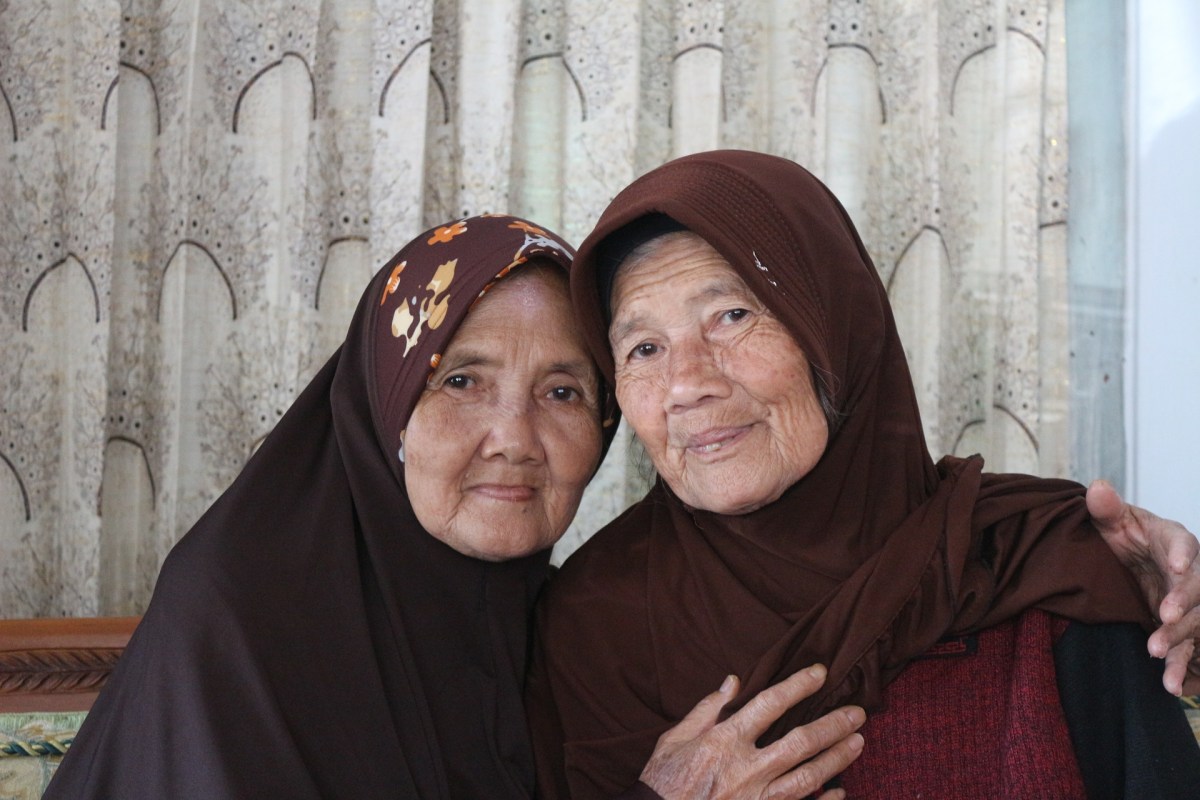
Dementia is a wide category of brain diseases that cause a long-term and often gradual decline in the capacity to think and remember that is sufficiently good to impact the daily functioning of a person. Other prevalent symptoms include emotional issues, language difficulties, and a reduction in motivation. (En.wikipedia.org, 2019)
Alzheimer’s illness, which accounts for 50 to 70 percent of cases, is the most prevalent form of dementia. Other prevalent kinds include vascular dementia (25 percent), dementia with Lewy bodies (15 percent), frontotemporal dementia. The most prevalent causes are standard hydrocephalus pressure, Parkinson’s dementia, syphilis, HIV, and Creutzfeldt – Jakob illness. (En.wikipedia.org, 2019)
Stages of Dementia:
Dementia usually passes through those phases. But depending on the region of the brain affected, it can differ.
- No impairment: there will be no symptoms at this point, but exams may reveal a issue. (WebMD, 2017)
- Very gentle decline: You may notice minor behavioral changes, but your loved one will remain autonomous. (WebMD, 2017)
- Mild decline: In his thinking and reasoning, you will notice more modifications. He may find it difficult to make plans, and he may repeat himself a lot. He may also find it difficult to remember latest occurrences. (WebMD, 2017)
- Moderate decline: he will have more trouble making plans and recalling recent events. He may find it difficult to travel and handle money. (WebMD, 2017)
- Severe decline: he’ll start forgetting his spouse’s name. He’ll have to go to the toilet and eat assistance. You can also see his personality and feelings changing. (WebMD, 2017)
- Very serious decrease: these thoughts he can no longer talk. He is unable to walk and spends most of his moment in bed. (WebMD, 2017)
Changes in the person:
Changes in behaviour, for both the individual with the disorder and those around them, can be one of the most challenging elements of dementia living. These behaviours generally occur when the individual feels confused or distressed and tries to create sense of what’s going on, or when they try to communicate that they need something.
Seeing beyond the behaviour itself is crucial and thinking about what can cause it. There may be particular reasons why the dementia individual behaves differently, for example a sense of being out of control, a sense of frustration with other people’s behaviour, or a sense of not being listened to or understood. (Alzheimer’s Society, 2019)
Psychological needs:
- The individual may be disappointed and unable to do the stuff they used to do. They may be disappointed if other individuals think they are unable to do stuff on their own and take over or leave them out of choices.
- The person may have depression or other problems with mental health.
- The individual may not know those who care for them’s intentions. They might see personal care, for instance, as a threat or an invasion of their personal space. If the individual does not comprehend what is happening, it can be particularly confusing and scary.
- The world around them may not be able to comprehend and work out. They may have a different sense of truth than those around them. They may think, for instance, that they must go to job even though they no longer work.
- They may feel threatened by an setting that seems unfamiliar or incorrect. They might believe they’re in the incorrect location. (Alzheimer’s Society, 2019)
Care available:
Ireland’s Alzheimer Society is conducting a six-week training for family members of dementia-fighting individuals, there is also an online course caregivers can do from home like: understanding dementia, altering relationships, nutrition, personal care, how a caregiver can care for himself, safety at home, etc. The course involves: Understanding Dementia’s, Changing Relationships, Communication and Responding to Behaviour’s ,Nutrition and Eating ,Well Engaging in Home Security, Personal Care Activities …(Dementia, 2019)
Many care alternatives are accessible in Ireland for individuals with dementia. There are home care packages, according to the HSE, in which an older person is cared for in their home. Family Carers Ireland also offers helpful home respite facilities, support groups, data service, and family carer training.
Role of a Carer:
A carer’s function in helping a dementia individual is to create routines, prevent facing them, simplify assignments, enhance their safety, allow them to be autonomous, keep them active, use memory aids such as posting pictures of stuff or individuals with their names on the wall, and communicate with them. Keep in mind that the person you care for is still an individual with emotions; dementia impacts individuals in distinct ways − in the early phases of the illness, individuals may be conscious that they are struggling with daily activities they once found easy. What you and others say and do may be disturbing − prevent talking about the situation of the person in his or her presence. (First Steps, 2015)
- • Cognitive stimulation treatment is a popular way to help keep someone’s mind active. It involves thematic activity sessions lasting several weeks.
- • Cognitive behavioural therapy (CBT) may be given when an person develops depression or anxiety.
- • Discussing therapies such as counselling can help someone cope with their diagnosis or discuss their feelings.
 Elohor's Blog